
Recent WikiLeaks disclosures have cast a stark light on the operations of military contractors, revealing controversial practices and sparking global debate. These documents provide a critical, unfiltered look at the often opaque world of private security and defense logistics.
The Nature of the Leaks: Military Contractors in the Spotlight
The nature of recent intelligence leaks increasingly points toward military contractors as a critical vulnerability. These private entities, while essential for national security operations, often operate with broad system access yet under inconsistent oversight protocols compared to uniformed personnel. This creates a perilous gap where sensitive data can be exfiltrated, either through negligence or malicious intent. A robust, zero-trust architecture must be uniformly enforced across all cleared personnel, regardless of employer. Strengthening compartmentalization and continuous monitoring for these contractors is not merely an IT upgrade but a fundamental counterintelligence imperative to protect classified material.
Types of Contractors Exposed: From Logistics to Security
The recent leaks of sensitive military documents have thrust private defense contractors into an uncomfortable spotlight. These incidents often stem not from shadowy hackers, but from a sprawling network of personnel with broad system access. This raises serious questions about the security protocols governing third-party defense supply chains, where a single weak link can compromise national secrets.
The scale of these breaches suggests a systemic over-reliance on contractors without corresponding oversight.
As a result, there’s growing pressure to tighten controls and reduce the number of eyes on our most classified information.

Scope of Contracts: Financial Scale and Geographic Reach
The recent leaks exposing sensitive military data have fundamentally shifted the focus to the supply chain vulnerability inherent in the defense industrial base. These incidents did not originate within government servers but from inadequately secured networks of private contractors. This highlights a critical weakness: national security now depends on the cybersecurity posture of hundreds of private firms handling classified information. Strengthening defense contractor cybersecurity compliance is no longer optional, but a paramount requirement for safeguarding state secrets and maintaining operational advantage against sophisticated adversaries.
Key Revelations and Specific Cases
Recent investigations have unveiled shocking patterns of corporate malfeasance and political corruption. The case of Theranos exposed a culture of deception in Silicon Valley, where fabricated blood-test results endangered patient lives. Simultaneously, the Pandora Papers revealed a global network of hidden wealth, implicating world leaders and celebrities in complex offshore financial schemes. These specific cases demonstrate how systemic failures in oversight can enable profound abuses, eroding public trust. Each revelation acts as a critical catalyst for demanding greater accountability and transparency across industries, proving that robust regulatory frameworks are essential to protect the public interest.

Incidents of Civilian Harm and Questionable Engagements
Key revelations from landmark cases have fundamentally reshaped public understanding. The Panama Papers exposed a global web of financial secrecy, implicating world leaders and celebrities in offshore tax evasion. Similarly, the Theranos scandal revealed how corporate fraud can endanger public health, while the Cambridge Analytica case laid bare the manipulation of personal data for political gain. These specific cases demonstrate the critical importance of **corporate accountability and transparency**, proving that hidden truths inevitably surface with profound consequences.
Internal Communications and Ethical Concerns
Key revelations often emerge from specific cases that challenge our understanding. For instance, the Theranos scandal revealed how tech hype can obscure fraudulent science, while the Panama Papers exposed the vast, hidden networks of global financial secrecy. These landmark investigations show how deep digging into a single story can uncover systemic issues affecting millions. This process of **uncovering corporate misconduct** relies on whistleblowers and persistent journalism to bring truth to light.
Contractual Details and Profit Margins
Key revelations from recent investigations highlight systemic vulnerabilities, with specific cases offering critical lessons. The 2023 breach of a major cloud provider, for instance, exposed millions of records due to a misconfigured API, underscoring the need for continuous configuration audits. Similarly, a sophisticated supply chain attack on a software vendor demonstrated how trusted third parties can become a single point of failure. These specific cases in cybersecurity provide a roadmap for prioritizing proactive defense measures over reactive responses, emphasizing that robust asset inventory and strict access controls are non-negotiable for modern digital infrastructure.
Q: What is the primary takeaway from analyzing these specific cases?
A: Each case reinforces that foundational security hygiene—like patch management and least-privilege access—prevents the vast majority of successful intrusions.

Impact on Government and Military Relations
The delicate dance between government and military has forever shaped nations. When trust erodes, as seen in whispered coups or public clashes over strategy, the very foundation of state authority trembles. Conversely, a civil-military relationship built on mutual respect and clear constitutional roles becomes a nation’s bedrock. This partnership, tested in every crisis, determines whether a country responds with fractured chaos or unified strength, proving that this enduring bond is the silent engine of history.
Official Responses and Denials
The deepening integration of private sector defense contractors has fundamentally reshaped government and military relations. This shift creates a powerful, interdependent ecosystem where private innovation drives capability, but also introduces complex challenges regarding oversight and accountability. This evolving dynamic necessitates robust national security partnerships to ensure that operational control remains firmly with public institutions while harnessing private sector efficiency and technological agility.
Strain on Government-Contractor Oversight and Accountability
The deepening integration of technology firms into national security frameworks fundamentally transforms government and military relations. This strategic partnership accelerates innovation but creates a complex web of dependencies on private-sector infrastructure and expertise. To ensure national security resilience, governments must establish robust, clear regulatory and contractual frameworks that align corporate agility with sovereign defense imperatives. This evolution demands continuous dialogue to balance operational secrecy with public accountability and technological ethics.
Policy Reviews and Calls for Reform
The integration of advanced technologies fundamentally alters government and military relations, creating a complex dynamic of shared reliance and strategic tension. This evolving defense partnership paradigm necessitates new frameworks for collaboration, particularly in cybersecurity and intelligence domains. While enhancing coordinated response capabilities, it also raises critical questions about civilian oversight, budgetary priorities, and the ethical deployment of autonomous systems. The relationship continuously adapts to balance operational efficiency with democratic accountability and civil-military relations.

Legal and Ethical Fallout
The legal and ethical fallout from corporate misconduct creates a profound and lasting crisis. Organizations face severe regulatory penalties and costly litigation, but the deeper damage is often reputational, eroding public trust and stakeholder confidence. To mitigate this, a proactive, integrity-first culture is non-negotiable. This requires robust compliance programs and transparent communication, turning ethical governance into a core strategic asset rather than a mere defensive checklist.
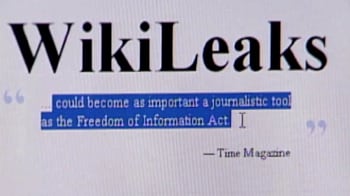
Investigations and Legal Actions Against Contractors
The legal and ethical fallout from corporate misconduct can be devastating and long-lasting. Companies face severe financial penalties, costly litigation, and debilitating regulatory sanctions that threaten operational viability. Beyond legal repercussions, the profound damage to stakeholder trust and brand reputation often proves irreparable, leading to customer attrition and talent flight. This complex landscape underscores the critical importance of corporate compliance programs. Proactive ethical governance Michael Moore Posts Julian Assange’s Bail is not merely a legal shield but a fundamental component of sustainable business strategy, essential for maintaining a social license to operate.
Debates on Transparency vs. National Security
The legal and ethical fallout from a corporate scandal can be devastating. Lawsuits, regulatory fines, and criminal charges create a severe legal liability for companies, draining resources and threatening existence. Meanwhile, the ethical breach erodes public trust and employee morale, a loss often more permanent than any financial penalty. This dual crisis demands robust corporate governance frameworks to prevent such damaging scenarios.
Whistleblower Protections and Prosecutions
The legal and ethical fallout from a corporate scandal can be devastating. Companies face lawsuits, massive fines, and crippling regulatory scrutiny, while the real damage is often to their reputation. This breach of public trust can drive away customers and talent for years. Navigating this crisis management landscape requires transparent and immediate action to rebuild credibility. A strong focus on corporate governance is essential for long-term recovery, as stakeholders now demand higher accountability and ethical standards from leadership.
Media and Public Perception
Media acts as a powerful lens, dramatically shaping public perception of events, individuals, and complex issues. Through selective framing and narrative emphasis, it can elevate certain stories while obscuring others, influencing collective opinion and even policy. This dynamic relationship means media doesn’t just report reality but actively constructs a version of it for mass consumption. Navigating this landscape requires critical media literacy, as the public must discern between information and persuasion to form truly informed viewpoints in our saturated digital age.

How Major Outlets Framed the Stories
Media and public perception are intrinsically linked, forming a powerful feedback loop that shapes societal narratives. The media’s agenda-setting function determines which issues the public deems important, while framing influences how those issues are understood. This dynamic makes managing media relations a critical component of any public strategy. To effectively shape public opinion, organizations must prioritize consistent and transparent communication. A successful media strategy requires understanding this complex relationship to build trust and credibility with your audience.
Public Trust in Private Military Operations
Media and public perception are deeply intertwined, as news outlets and digital platforms act as primary gatekeepers of information. This media influence shapes societal understanding of complex issues, from politics to public health. The rise of social media has accelerated this dynamic, allowing narratives to form rapidly but also facilitating the spread of misinformation. Consequently, managing public perception has become a critical aspect of modern communication strategies for organizations and institutions. This underscores the importance of **media literacy education** for navigating today’s information landscape.
Long-term Shifts in Reporting on War and Contracting
Media and public perception are intrinsically linked, forming a powerful feedback loop that shapes societal narratives. The media’s agenda-setting function determines which issues the public deems important, while public sentiment increasingly influences editorial choices through engagement metrics. To manage reputation effectively, organizations must prioritize strategic media relations, proactively engaging with credible outlets to shape accurate coverage. This requires consistent, transparent communication to build trust, as fragmented digital ecosystems can rapidly amplify both facts and misinformation.
Legacy and Lasting Consequences
The legacy of our actions, both individual and collective, is defined by their lasting consequences. These are not merely historical footnotes but active forces shaping our present and future. A company’s commitment to sustainable innovation builds a legacy of market leadership and public trust, while a community’s investment in education creates a generational cycle of opportunity. Conversely, neglected systemic risks or short-sighted policies can cement negative consequences for decades. Ultimately, a meaningful legacy is consciously constructed through decisions that prioritize enduring positive impact over temporary gain.
Q: How can an organization build a positive legacy?
A: By aligning its core operations with long-term societal value, ensuring its success contributes to a healthier, more equitable, and more prosperous world for future stakeholders.
Changes in Contractor Behavior and Oversight Mechanisms
The concept of legacy extends far beyond material inheritance, encompassing the lasting consequences of our actions, decisions, and values on future generations. It is the indelible mark we leave on people, institutions, and culture, shaping the world long after we are gone. A positive legacy is built through intentional, ethical choices that foster sustainability and growth. Consider, therefore, not just what you build, but the foundation you lay for others. This forward-thinking approach is central to effective **long-term reputation management**, ensuring your influence endures and inspires.
The Precedent for Future Leaks and Journalism
Legacy is the indelible mark left by actions and decisions, extending far beyond an individual’s presence. Its lasting consequences shape institutions, cultures, and future generations, creating a ripple effect through time. To build a positive legacy, one must prioritize sustainable impact over short-term gain. Strategic legacy planning is essential for enduring influence.
A legacy is not what you leave for people, but what you leave in them.
This emotional and intellectual imprint ultimately defines true, lasting significance.
The Ongoing Debate Over Privatized Warfare
The concept of legacy is about the lasting consequences of our actions, echoing long after we’re gone. It’s the imprint we leave on people, institutions, and the environment. Whether positive or negative, these long-term impacts define how we’re remembered. Building a positive legacy requires mindful choices today, as our decisions create a ripple effect for future generations. This focus on sustainable impact is crucial for long-term brand reputation.